
Celebrating Rain
Project Summary
This project, led by Richelle Castillo, hosted a Garden Party on July 17th at a local community garden that brought together 19 youth to learn about water conservation through rainwater collection. As part of the event, 6 youth took home rain barrels through a door prize draw. Participants saw live demonstrations on how to install and use rain barrels, and learned how this simple practice can support gardening, reduce strain on municipal water systems, and build resilience in the face of climate change.
What Inspired This Project
Our community has been experiencing longer dry spells and increasing concerns about drought, food security, and the rising cost of groceries. We wanted to create a fun and welcoming space to share practical water stewardship tools — connecting water conservation to something people care deeply about: growing their own food.
Project Impact
We’re proud to have equipped 6 households with rain barrels and showed 13 youth how water is a precious shared resource. By making water conservation hands-on and accessible, we’ve encouraged long-term behaviour change and stronger community conversations around climate resilience.
What Was Learned
We learned that people are excited about water stewardship when it feels achievable and directly tied to their daily lives. Offering a concrete tool like a rain barrel sparks immediate interest, while the group discussions help deepen understanding and connection. We also learned the value of follow-up — checking in with recipients helps keep the momentum going.
Water Gallery
Project Summary
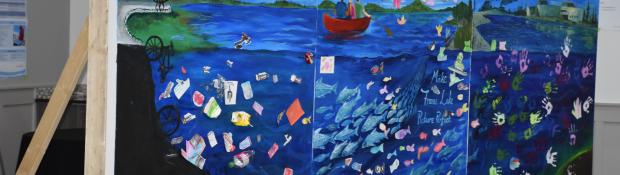
The Water Gallery led by Brandon Pludwinski, showcased artwork by youth from across the Northwest Territories (NWT) on water related stewardship theme. Hosted at the Visitors Centre in Yellowknife, the gallery featured photography and paintings created by youth artists.
The exhibit also included artwork from Yellowknife students, all exploring themes of water stewardship and environmental awareness.
The gallery provided a platform for youth voices to share their perspectives on water conservation, the importance of clean water and the cultural significance of of water in the North.
What Inspired This Project
Water is central to life in the North, and youth are eager to share their ideas and perspectives about its protection.
This project was inspired by the need to create a space where young people could express their connection to water creatively, while also educating the public and being recognized for their artistic contributions.
By combining art with water stewardship, the Water Gallery aimed to spark meaningful conversations about the importance of clean water and collective environmental responsibility.
Project Impact
The Water Gallery engaged youth from different communities across the NWT, providing a public platform to showcase their work. The project recognized the value of youth contributions and helped build confidence in their artistic skills.
The exhibition also encouraged visitors to reflect on water stewardship and environmental protection, strengthening community awareness and dialogue. Overall, the project amplified youth voices and demonstrated the role of art in environmental education.
What was Learned
This project highlighted that creative expression is a powerful tool for engaging communities on environmental issues. Youth are highly motivated when their work is valued and publicly acknowledged.
Another important lesson was the need to make art accessible to youth across the Northwest Territories, as geographic and logistical barriers can limit participation.
Creative Water Workshops
Project Summary
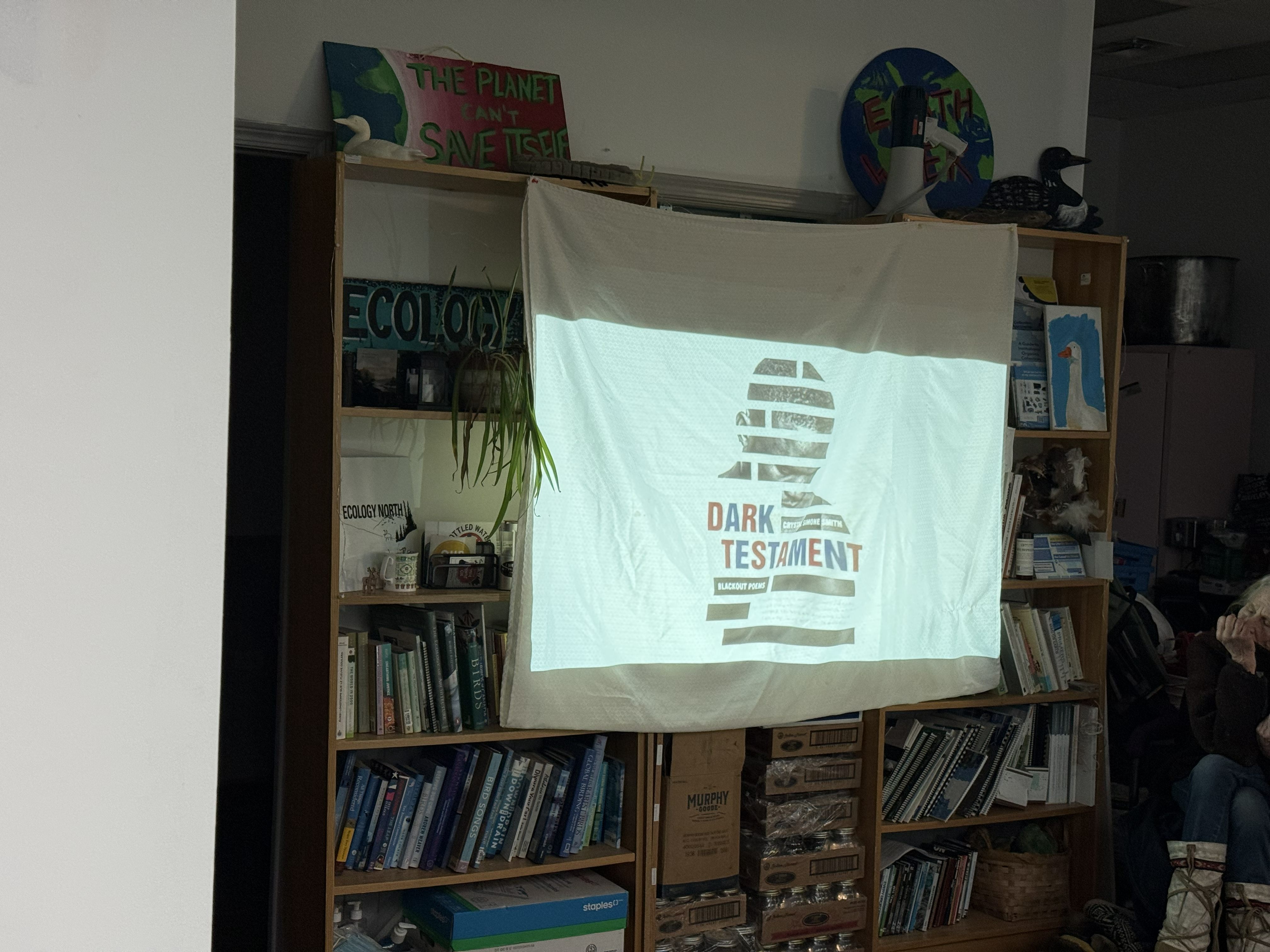
This project led by Hannah Ascough, delivered five creative writing and art workshops focused on northern water stewardship. The workshops explored a range of storytelling forms, using creativity as a tool for climate change advocacy and water stewardship.
Each session featured local poets, storytellers, and scientists who shared their knowledge and guided participants through creative exercises. The workshops brought people together to explore imaginative approaches to water stewardship, with conversations focused on envisioning new water futures.
What Inspired This Project
The climate crisis can feel overwhelming, with complex challenges that often lead to inaction. This project was inspired by the belief that water stewardship offers a meaningful way to connect, reflect, and take action.
Creative workshops like these help build people’s capacity to come together with hope and imagination, even in the face of uncertainty. Creativity also plays an important role in amplifying voices and perspectives that are often underrepresented in sustainability discussions, while strengthening relationships between people and water.
Project Impact
This project created space for meaningful and creative conversations about climate change and water stewardship. Participants were able to process their thoughts and emotions, while also engaging in hopeful, future-focused thinking.
The workshops brought together talented storytellers and artists, resulting in imaginative ideas and perspectives on water stewardship.
What Was Learned
Through this project, a wide range of storytelling and communication approaches were explored, shaping new ways of thinking and talking about climate change and water stewardship.
A key takeaway was learning to recognize water in all aspects of life—from the land to our bodies and memories—and understanding how these connections carry stories that can inform how we relate to water.
Eco-Theatre and Puppet Workshop
Project Summary
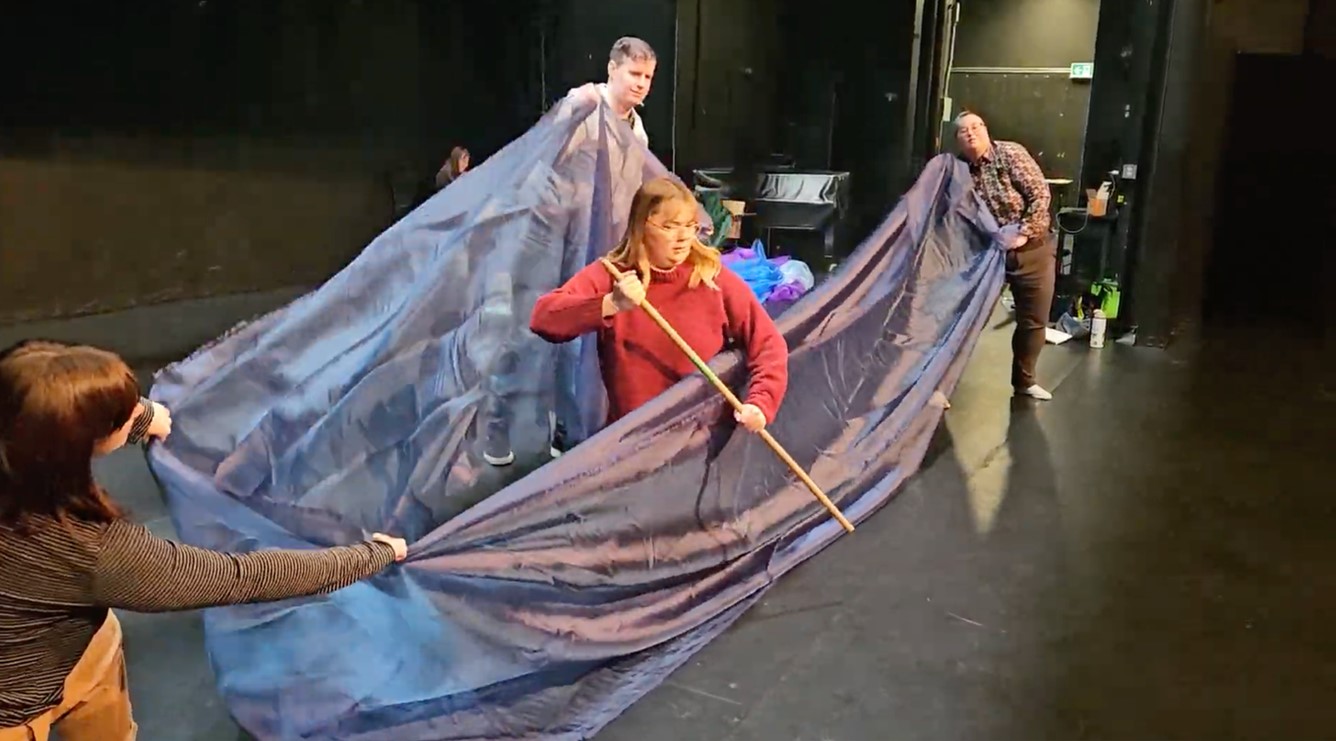
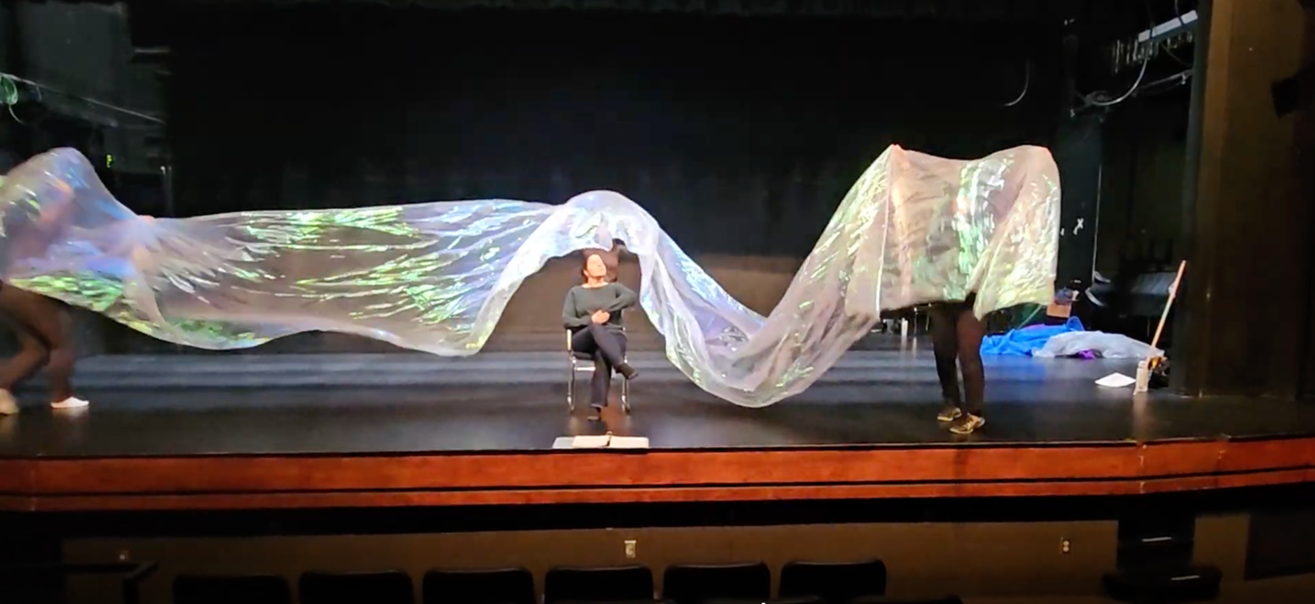
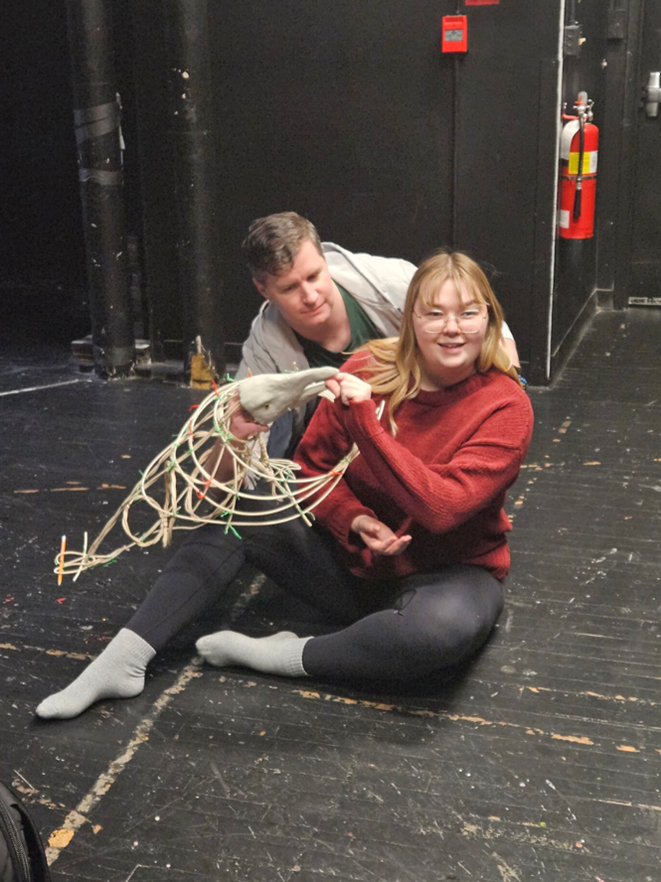
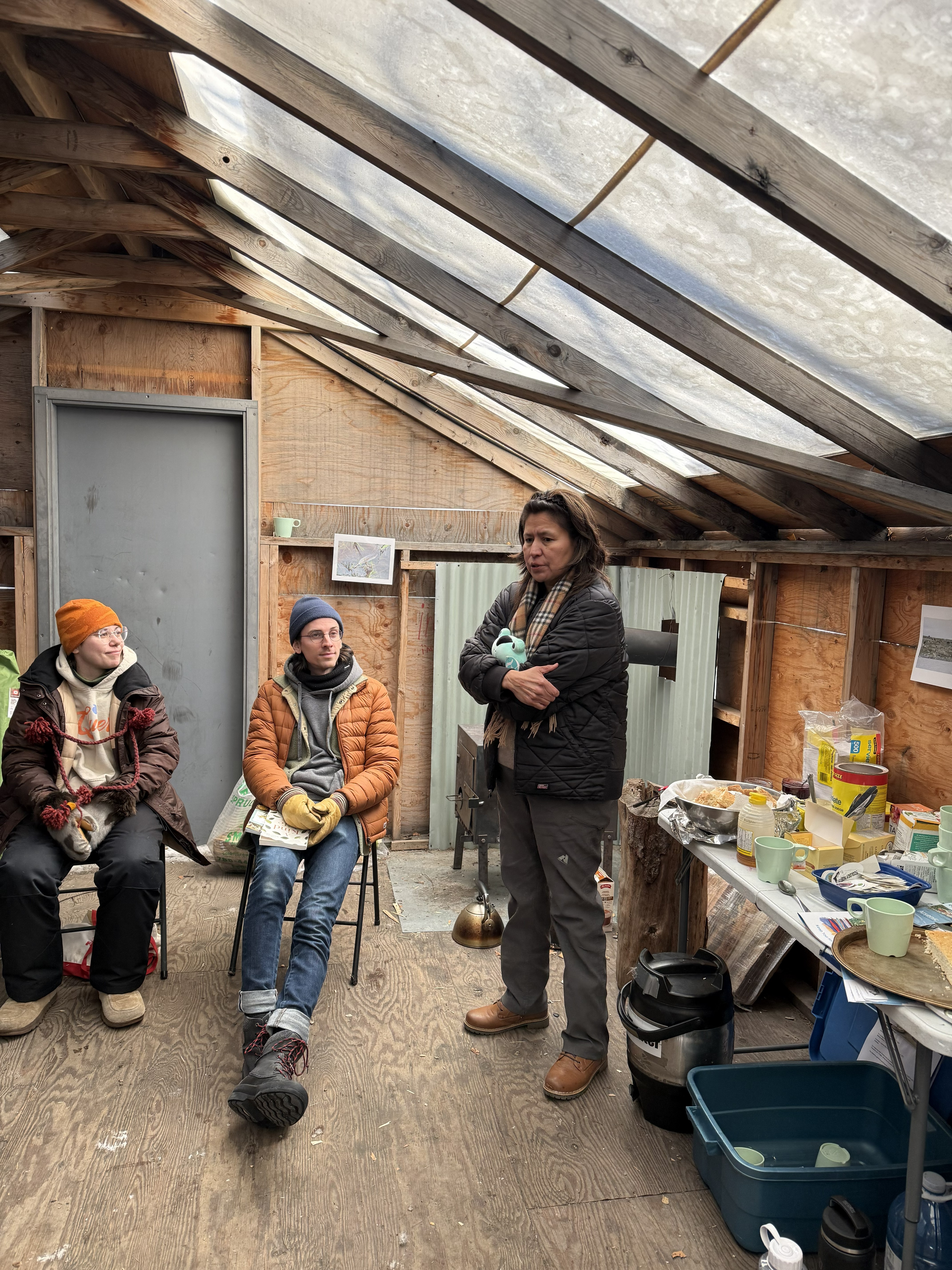
The Eco-Theatre and Puppet Workshop led by Kacie Hall, explored collaborative storytelling with a focus on environmental impact, emphasizing our relationship with water. The workshop brought together youth and adult participants to use puppets, movement, and props as tools for creative expression.
Participants learned to animate puppets and fabrics to convey movement and emotion. Movement-based exercises allowed participants to use their bodies to mimic the flow and rhythm of water. Through collective creation, participants co-created stories and shared ideas in an engaging, hands-on environment.
What Inspired This Project
This project was inspired by an interest in collaborative storytelling and a desire to explore how we relate to the world around us. Water is central to Northern communities, and the workshop provided a creative way to reflect on that connection.
Puppetry and object theatre offered a unique way to express ideas through movement and metaphor. Teaching participants to animate puppets and everyday materials helped them reflect on their relationships with the world around them.
Project Impact
The workshop encouraged participants to reflect on their relationship with water and the environment through creative expression. By combining movement and object-based storytelling, participants explored ideas in a supportive, low-stakes setting.
The project also helped participants build confidence in creative expression and introduced new ways of thinking about environmental stewardship through art.
What Was Learned
This project demonstrated how art can be used as a tool for environmental education and reflection. Participants gained skills in puppetry, movement-based storytelling, and collaborative creation.
A key takeaway was the value of experimentation. Allowing participants to bring their own perspectives and experiences led to thoughtful, creative outcomes.